We look for projects where our commitment to the land can help bridge the challenges faced by too many communities:
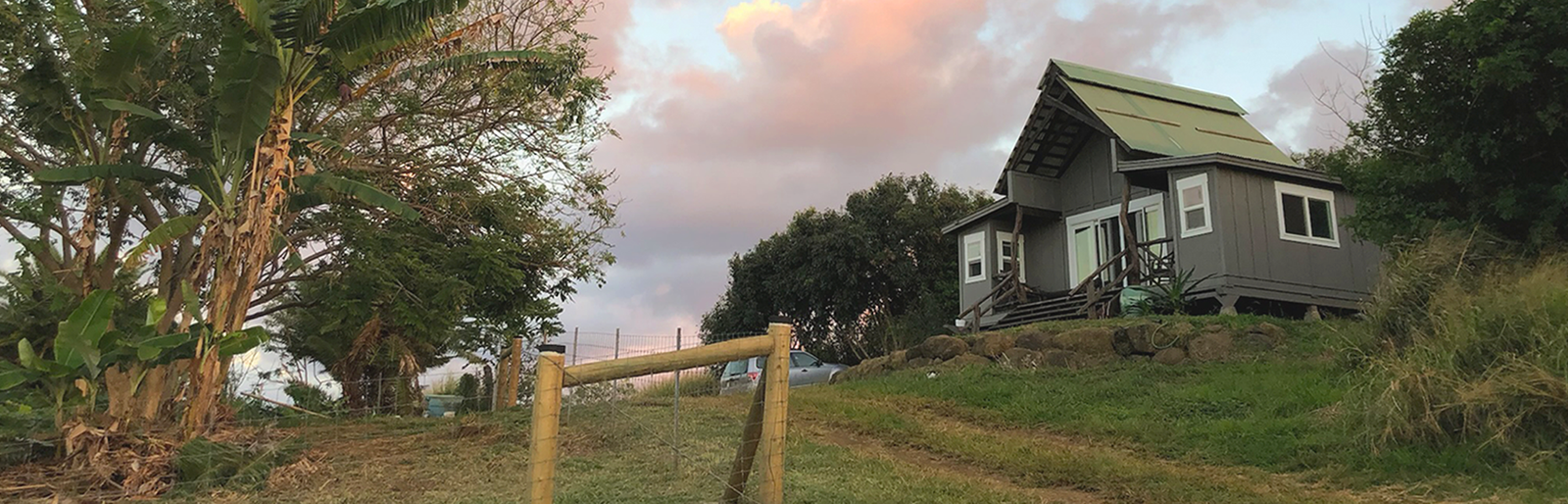
Currently, we are active in Hawai’i and Colorado, where we steward lands.

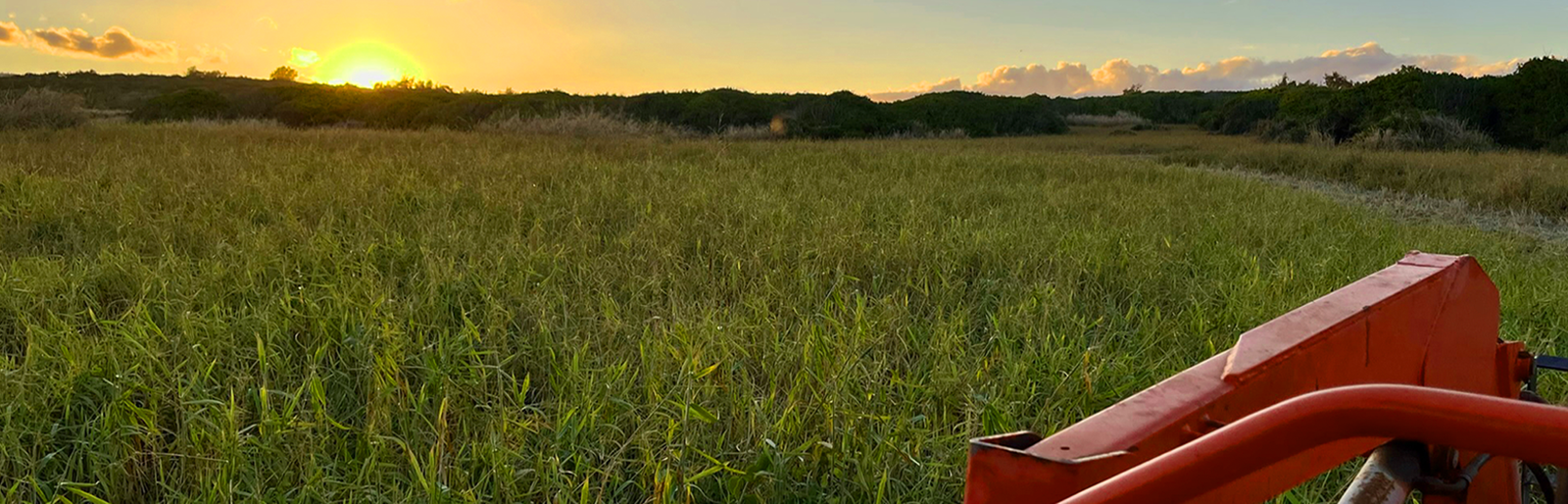
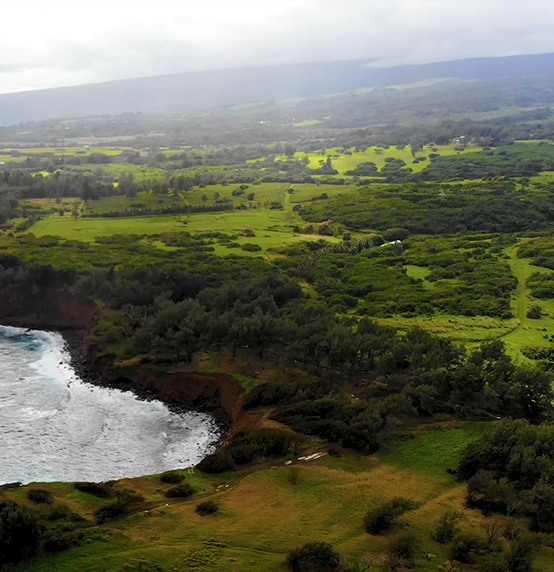
This land was home to King Kamehameha’s lush food forests, teaming with produce to feed his army. Today, these significant agricultural lands tell a different story—windswept and tangled with lantana and invasive saplings, a stark testament to scars left by the sugar cane industry. Scraped, and burned for a century, and ultimately abandoned in 1970, the land has spent over five decades in recovery.
But the land is resilient. It remembers: the soils test well; nitrogen is restored; and a wealth of mulch stands, waiting to be chipped and returned to the soil. This land is ready to get back to its roots, and to feed the people of this community once again.
Timing is optimal as Hawai’i stands at a crossroads, facing a food security and an affordable housing crisis. 85% of the food in Hawai’i is imported, and most islands hold barely a week’s supply at any given time. Meanwhile farmland is vanishing and the cost of living is soaring. Farmers – the very people who could help solve local food access issues – are being priced out of the land they need for growing. The need for local food sources and affordable farmland has never been greater.
We work to create 16-20 affordable, deed-restricted, small farms, each between 2-10 acres, complete with a housing site and shared infrastructure—water storage, roads, fire suppression, septic, and fencing. By 2027, we hope to have preserved this land as active and affordable farm plots into perpetuity, and open these plots to farmers who are ready to grow, nourish, and build something lasting.
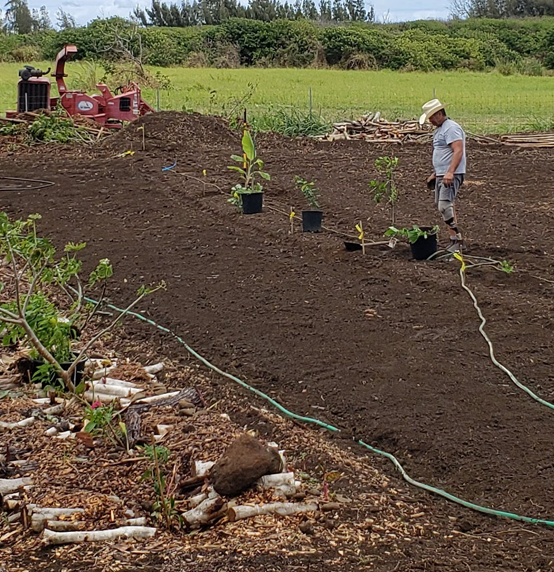
Farming in Hawai’i is challenging. Our Farm Incubator initiative aims to support individuals with a deep interest in agriculture. Whether you are a seasoned farmer, an agricultural major looking to start your own farm, or an intern looking to transition to a career grower, we want to hear from you. Depending on their needs applicants are assisted with a combination of resources, such as, housing, mentorship, markets, part-time paid work, to name a few.
We are currently accepting applications for 2026 farm incubator slots
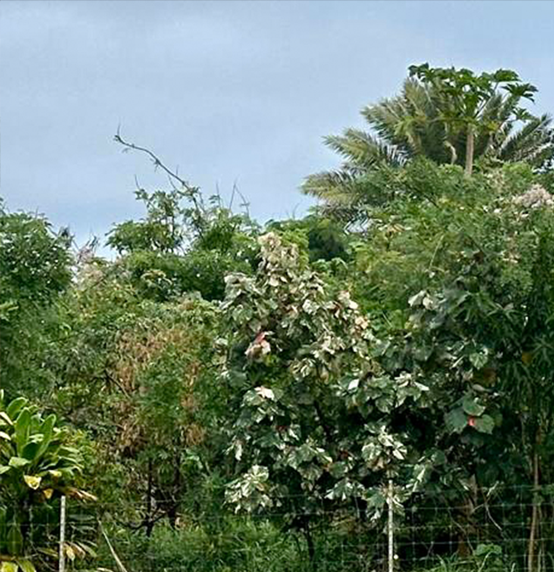
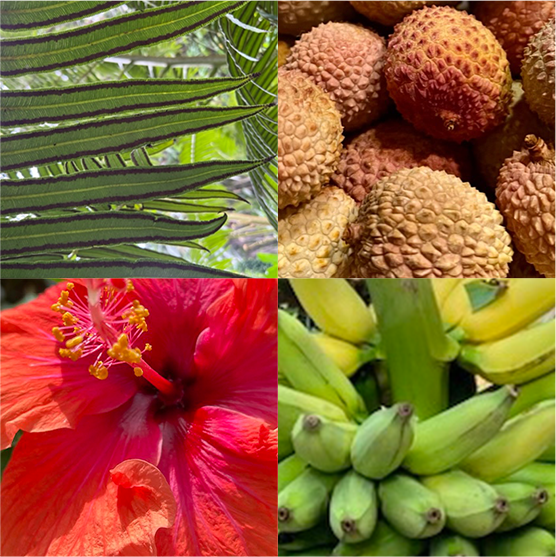
Agroforestry is farming the way nature intended – layers of diverse plant species that support each other, capture carbon, reduce erosion, and create an abundant food source that nourishes people, animals, and the soil. each other, capture carbon, reduce erosion, and create an abundant food source that nourishes people, animals, and the soil.
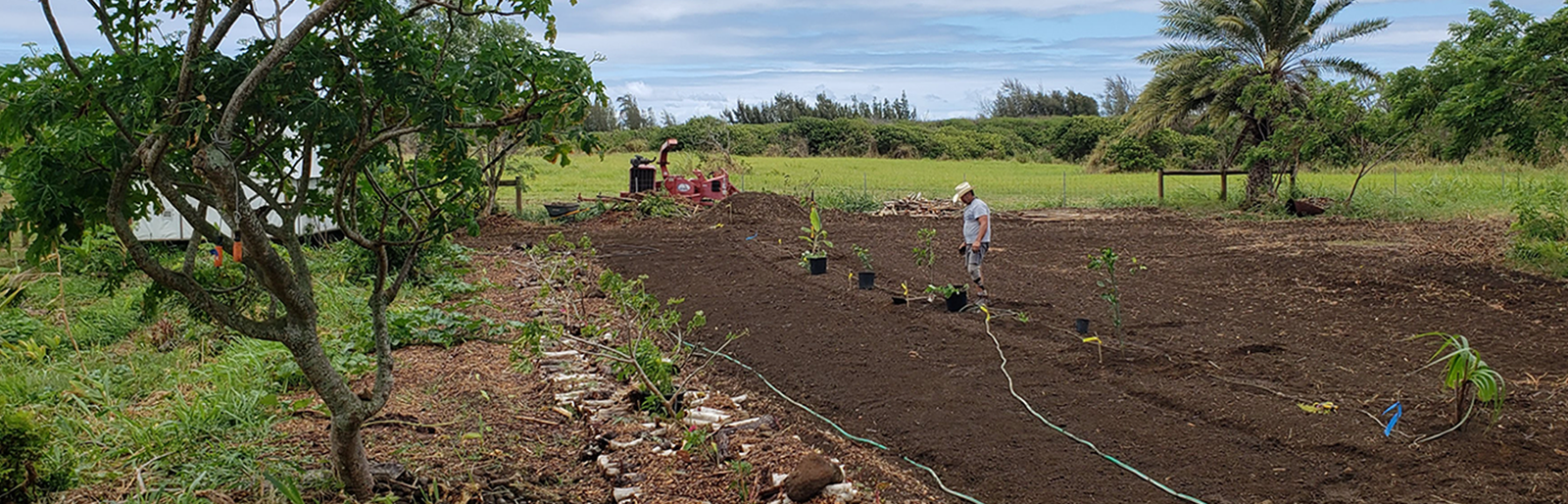
We planted our first food forest on the land in 2022, and we are actively improving soils and preparing more land for future plantings. With guidance from Regenerative Agroforestry Systems, we offer hands-on workshops. They are fun, educational, and crucial to the restoration of this land.
This land was home to the Ute people. The Utes were hunter gatherers and Marble provided fertile summer grounds. Marble was referred to as their medicine basket—a place rich with healing plants like willow, osha, bergamot, mullein, plantain and mallow.
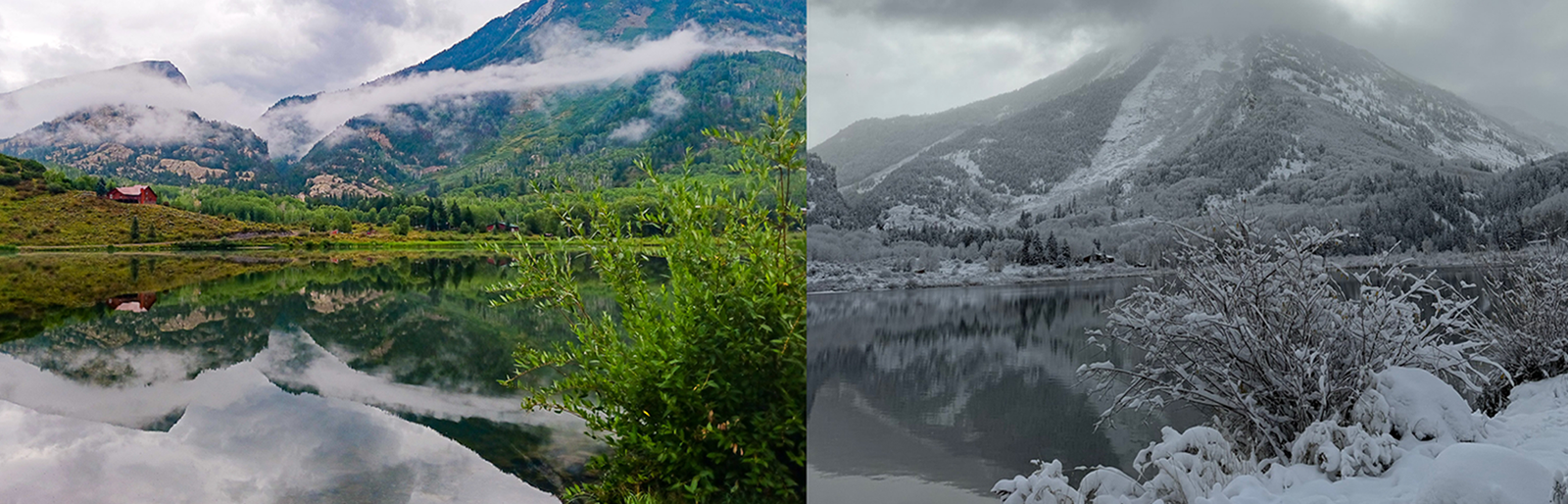
Today, Marble is a tiny mountain outpost, tucked into the White River National Forest (population 133 hardy souls). It is isolated, remote and wild. It takes a certain kind of resilience to put down roots at 8,000 feet. Not all plants (or people) thrive in the extreme temperatures and rocky compacted soils. It takes a special plant to survive the severe winters, and come back stronger each year. We pay attention to those that do, and we believe that by consuming plants that thrive in our environment, we too become more resilient.
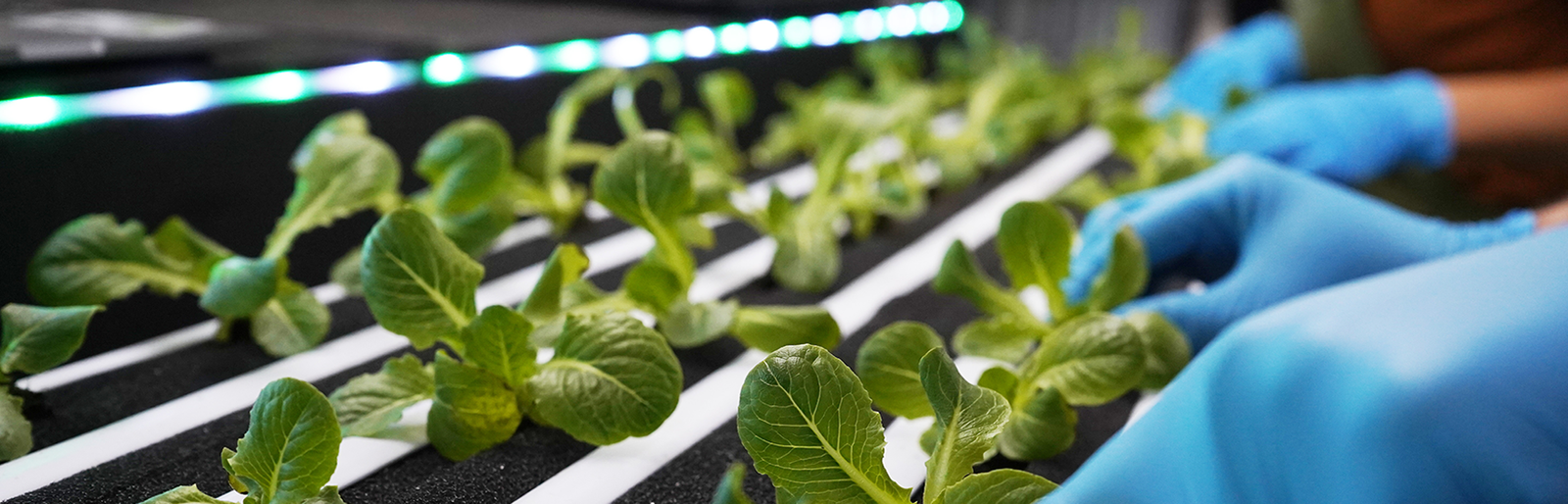
With less than 3 months between Spring and Fall frosts, and the nearest grocery 45 minutes down the mountain, food security here is fragile. With the help of a next generation hydroponic farm, we will grow enough produce for the community, year-round, no matter the outside temperature. We are tackling food security head-on in this community that until now was considered a ‘food desert.’
We designed the farm to be a place of learning, sharing and empowerment, where workshops and school curriculum plant the seeds of knowledge, believing when people learn to grow their own food and medicine, communities become stronger, more self-reliant, and deeply connected to the land.
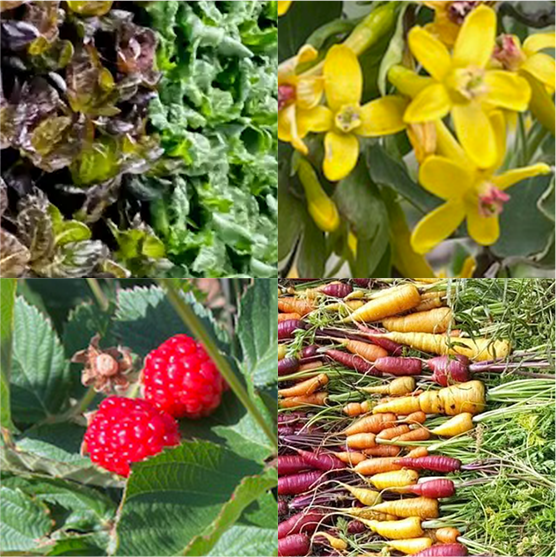
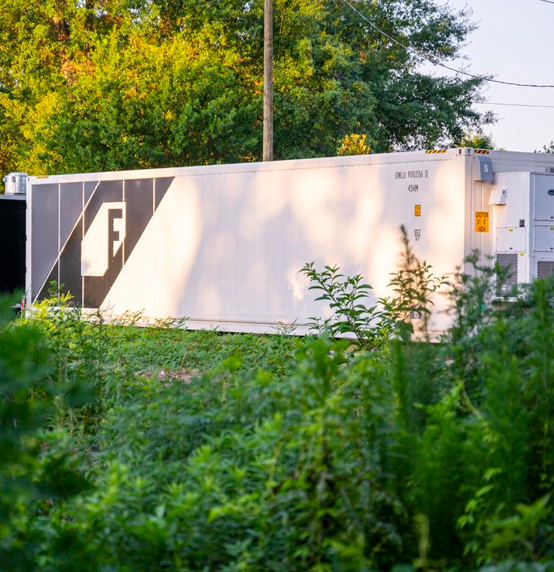
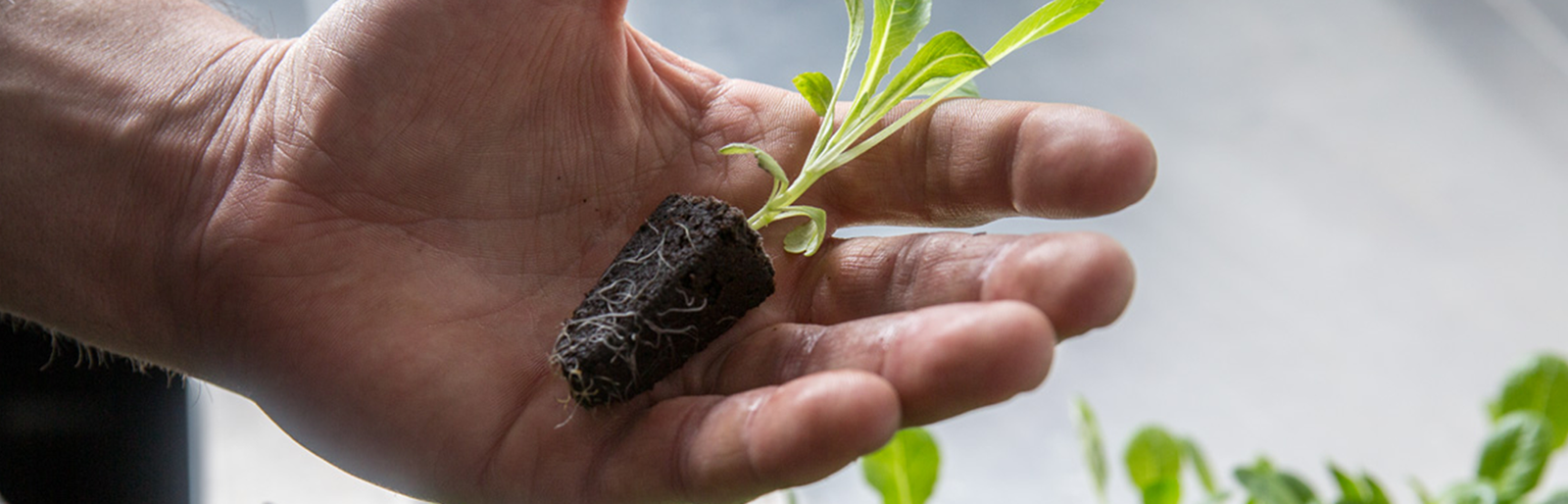
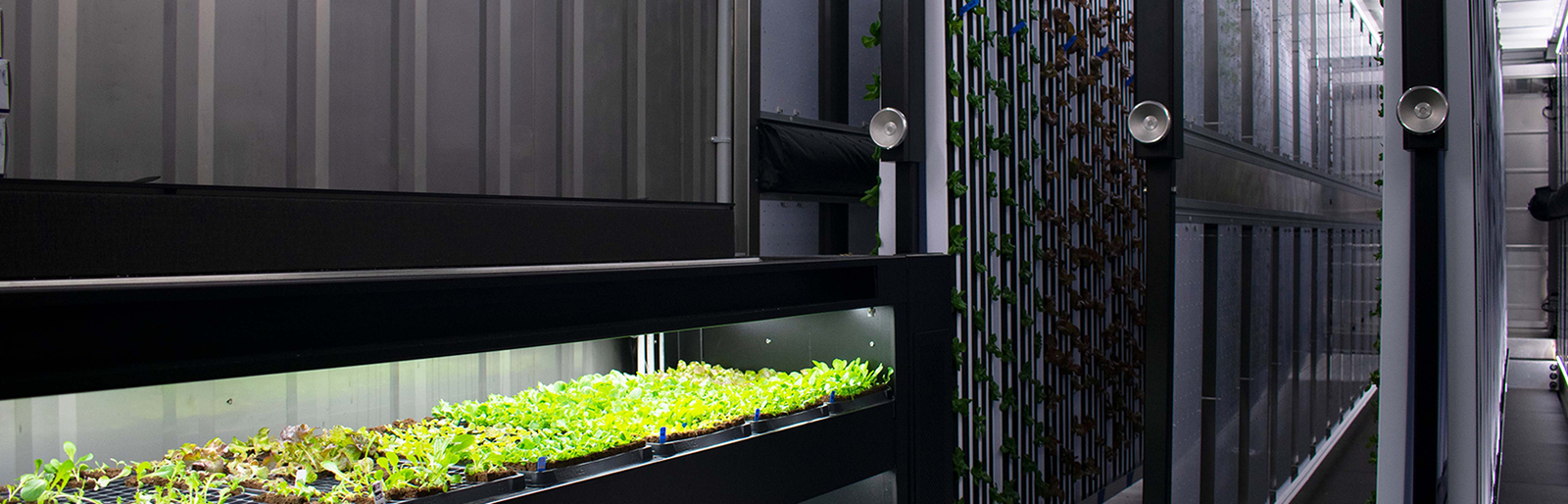
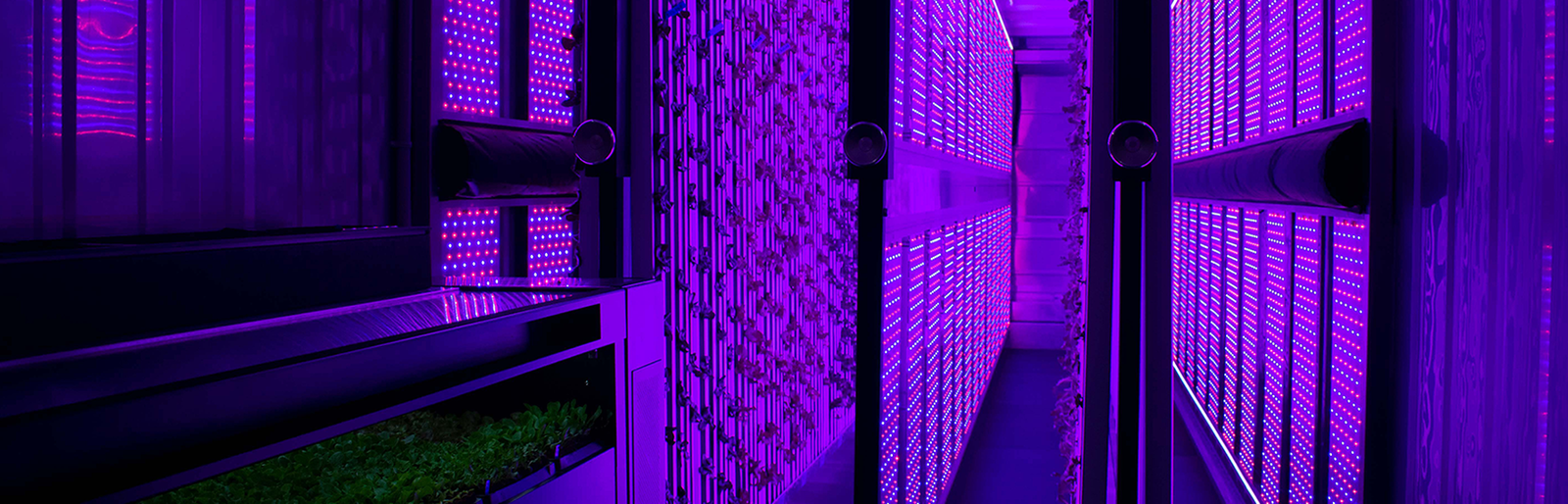
To grow food at scale in this harsh climate, we have turned to a Freight Farm – a state-of-the-art, hydroponic, vertical farm housed in a shipping container. No matter the outside extremes, inside conditions are climate controlled, and perfectly suited to the plants we grow. The Freight Farm is capable of growing 990 heads of organic, pesticide-free, non-GMO lettuce every week of the year on just 5 gallons of water per day – an astonishingly efficient system that redefines sustainability!
We are currently fundraising to bring this farm to life. Sign up for a tour when in town.
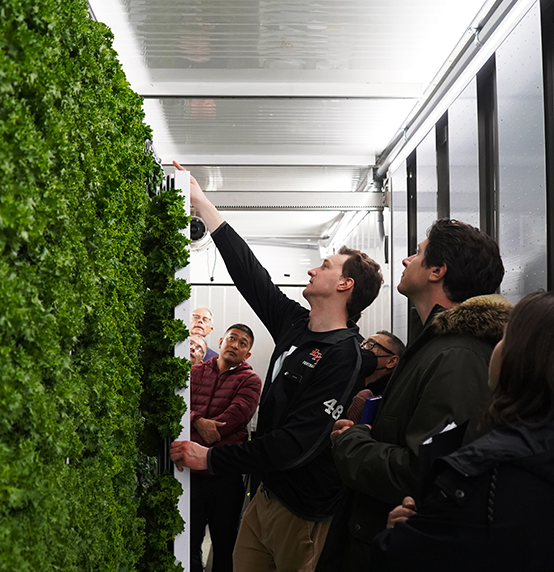
Workshops on a variety of topics are held at the farm campus, and weekly agricultural programming is offered to local schools. Marble Farms is a place for learning. Facilities include the Freight Farm, an instructional kitchen, gathering space and a classroom.
Interested? Sign up for our mailing list to stay updated on upcoming workshops.
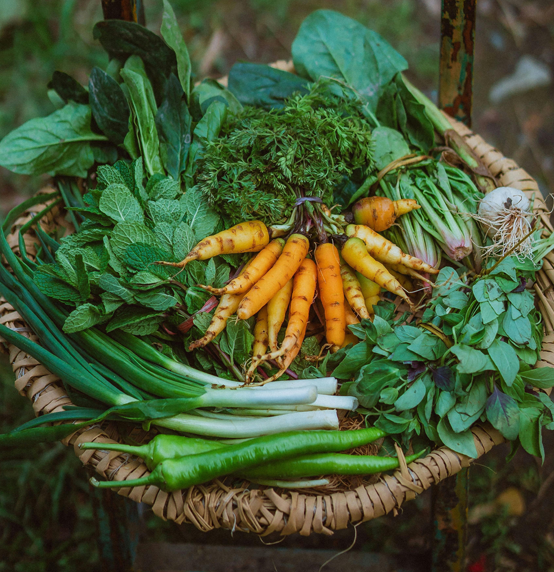
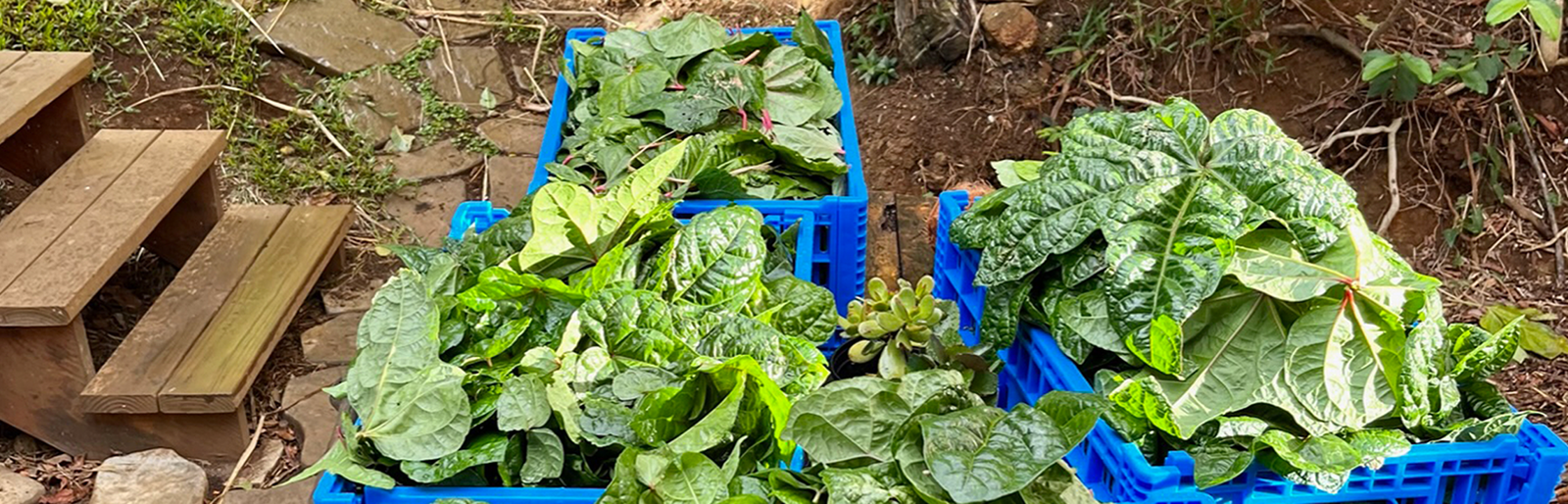
We are addressing food security by bringing the farm and a weekly, year-round market directly into this remote mountain community. Our produce is of the highest and most nutritious quality, using strict organic growing standards. The Farm is a prolific food source, capable of supplying the entire community and the local school’s lunch program with a variety of greens, root vegetables, microgreens and herbs.
Interested in our produce market? Sign up for market updates
These projects benefit from a collective effort, so we are committed to working alongside local communities, experts, and partners to create impactful and lasting solutions. If you have similar passions or just want to get involved, please reach out!